By Mpho Dipela, Chairman and shareholder of Legacy Motor Group
The future of the automotive industry in South Africa lies in electric vehicles (EVs), and it is crucial that the government and automotive companies collaborate to ensure a smooth transition towards this new era. The emergence of these new frontiers such as renewable energy, green hydrogen, EVs is already underway, and it is only a matter of time before EVs become the norm.
While EV adoption in South Africa has been slow, there is no doubt that EV technology is here to stay. However, the automotive industry and retailers face significant challenges in the transition to EVs, the two greatest of which are affordability and infrastructure constraints:
- Affordability
One of the main challenges currently facing the EV market in South Africa is affordability. Currently, EVs are only affordable for a small segment of the population who can afford BMW and other premium vehicles, although experts predict that this will change in the next few years as more models become available and price parity with petrol-engine vehicles is achieved.
One of the reasons why EVs are so expensive in South Africa is the high import costs. According to the South African Automotive Industry Association (Naamsa), the import duties on EVs are around 25%, making them much more expensive than conventional vehicles. However, there is hope that this may change soon. Government’s Green Paper on the transition to a low-carbon economy includes a proposal to re-look at the 25% import tax currently imposed on EVs. If this tax is reduced or removed, it would make EVs more affordable for a greater number of South Africans.
Another reason for the lack of affordability is the limited local development of EVs. South Africa currently does not have a significant EV manufacturing industry, and most EVs are imported from other countries. But increasing EV part development in South Africa will create opportunities for local manufacturers to develop the necessary technology and components to make EVs more affordable.
Despite these challenges, the EV market in South Africa is growing. According to Naamsa, a total of 2,139 NEVs have been sold for the first half of 2022 compared to the 896 NEVs sold during the full year of 2021. As more models become available and prices come down, it is expected that more South Africans will make the switch to electric vehicles.
- Infrastructure
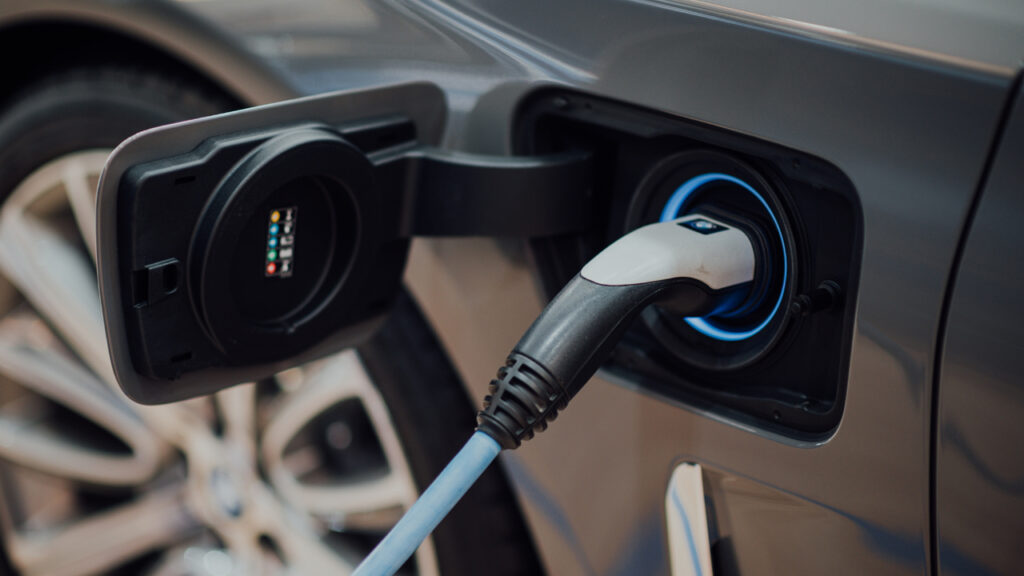
Another challenge is the infrastructure for charging EVs. South Africa faces unique challenges due to an unreliable energy supply and a lack of charging points along long-distance routes. The country still lags significantly behind other developed nations in terms of the number of charging points and the availability of reliable energy supply – which is why significant investment in EV power capacity is essential over the next decade in Africa.
Notably, South Africa’s load shedding situation presents a unique challenge for EV owners who rely on a steady supply of electricity to charge their vehicles. One solution to this challenge is for the government to invest in renewable energy sources, such as solar power, which can provide a more reliable and sustainable source of energy for charging EVs.
In addition to an unreliable energy supply, South Africa also faces a lack of charging points along long-distance routes. This can make it challenging for EV owners to travel long distances, and it also limits the use of EVs for commercial purposes.
To address this challenge, government needs to invest in building more charging ports and stations along major routes and in urban areas. This will not only make EVs more practical for everyday use but will also increase the uptake of EVs in the country.
Fortunately, progress is being made in this regard, with some companies taking the lead in rolling out charging ports and stations. BMW, for example, has partnered with local energy provider, GridCars, to install charging ports across the country with a focus on major metropolitan areas, and plans to expand this network in the near future.
This is just the beginning, and more needs to be done to ensure that South Africa’s EV infrastructure can meet the needs of the growing number of EV owners. Government has a critical role to play in driving this investment and ensuring that the country can keep up with the global transition to electric vehicles.
I look forward in seeing the growth of EV technology in South Africa. While there are unique constraints, there are also many solutions to these challenges. As more EV models become available and charging infrastructure continues to expand, I am confident that the change to EV will be a smooth transition.